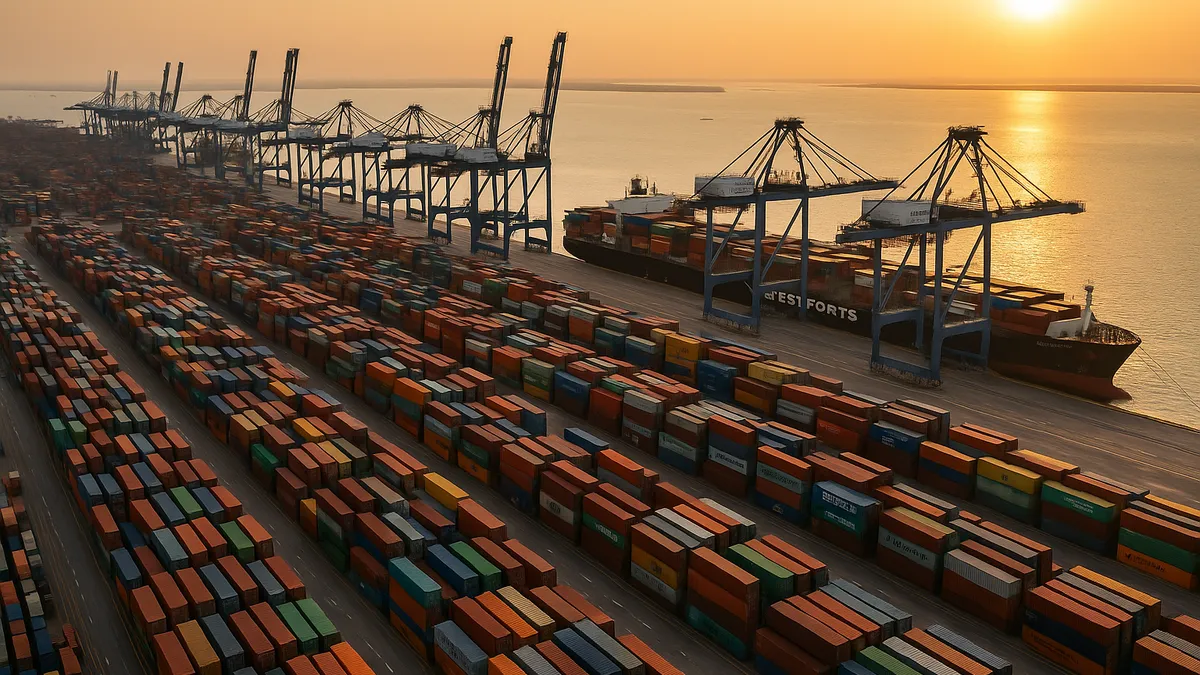
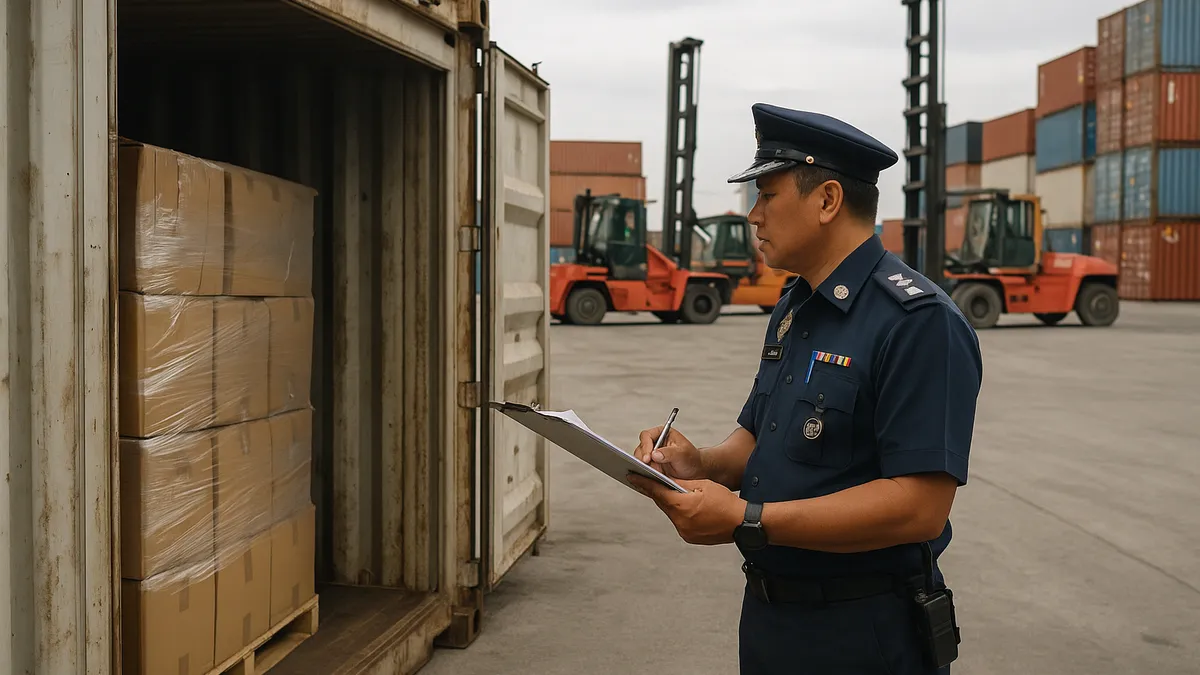
Expert logistics knowledge for manufacturers and traders. Customs updates, Port Klang playbooks, freight strategies — written by the team that handles 1,000+ containers a month.
A house bill of lading comes from your forwarder; a master bill of lading comes from the shipping line. Here is the difference, which one you should hold, and what each means for customs, release and payment in Malaysia.
Read article →
A house bill of lading comes from your forwarder; a master bill of lading comes from the shipping line. Here is the difference, which one you should hold, and what each means for customs, release and payment in Malaysia.

Which SIRIM/DOSH permits apply to machinery imports, plus HS classification, MIDA duty exemptions and Port Klang haulage from one JKDM-licensed forwarder.

Malaysia's cabotage policy still shapes what foreign vessels can carry between Peninsular and East Malaysia — and why Sabah/Sarawak freight runs 15–25% higher. Here's what importers need to know in 2026.

Bursa Malaysia's NSRF is pushing Scope 3 emissions reporting down to SME suppliers. What your freight forwarder's shipment data can prove for GHG Protocol Category 4, what it can't, and the phased 2025-2027 deadlines.

Marine cargo insurance is not compulsory to import into Malaysia, but a shipping line's liability is capped at SDR 666.67 per package. What Institute Cargo Clauses A, B and C cover, why CIF leaves you under-insured, and how to claim at Port Klang.

Preferential vs Non-Preferential Certificate of Origin for Malaysian exporters: which form, how to apply on ePCO, costs, timelines, and the 2025 MITI sole-issuer rule for US exports.

Customs duty is charged on the value Customs accepts — not always your invoice price. How the transaction value method works, what Malaysia adds, and how to defend your number.

Anti-dumping duty is an extra import duty Malaysia charges on under-priced goods from named countries. How to check if your HS code is affected, why an FTA won't exempt you, and what it adds to landed cost.

Halal status can be broken in the truck, the warehouse or on the shelf. The MS2400:2019 standard, JAKIM certification, segregation, sertu cleansing and documentation explained for importers and exporters of halal goods through Port Klang.

Exhibition stands, broadcast kit and trade samples can enter Malaysia duty-free if they leave again. Here is how the ATA Carnet and the Section 97 temporary-import facility work, the re-export deadlines, which goods qualify, and how both compare to claiming duty drawback.

How reefer FCL ocean freight works through Port Klang: temperature, humidity and ventilation settings by commodity, Westports' 4,132 reefer plug points and monitoring, MAQIS permits, pre-trip inspection, reefer-vs-dry cost, and avoiding cold-chain breaks.

Transhipment moves containers ship-to-ship through Port Klang without entering Malaysia. Here is how it differs from your local gateway cargo, how customs treats it, and when routing through a hub actually helps a shipper.

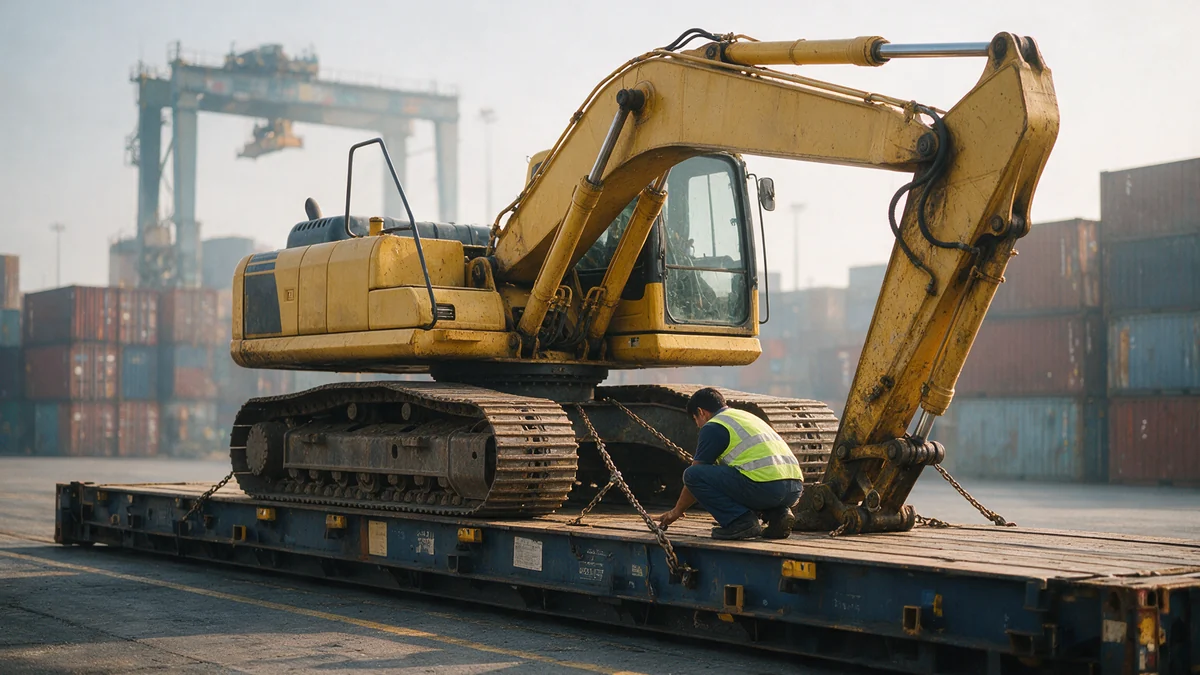
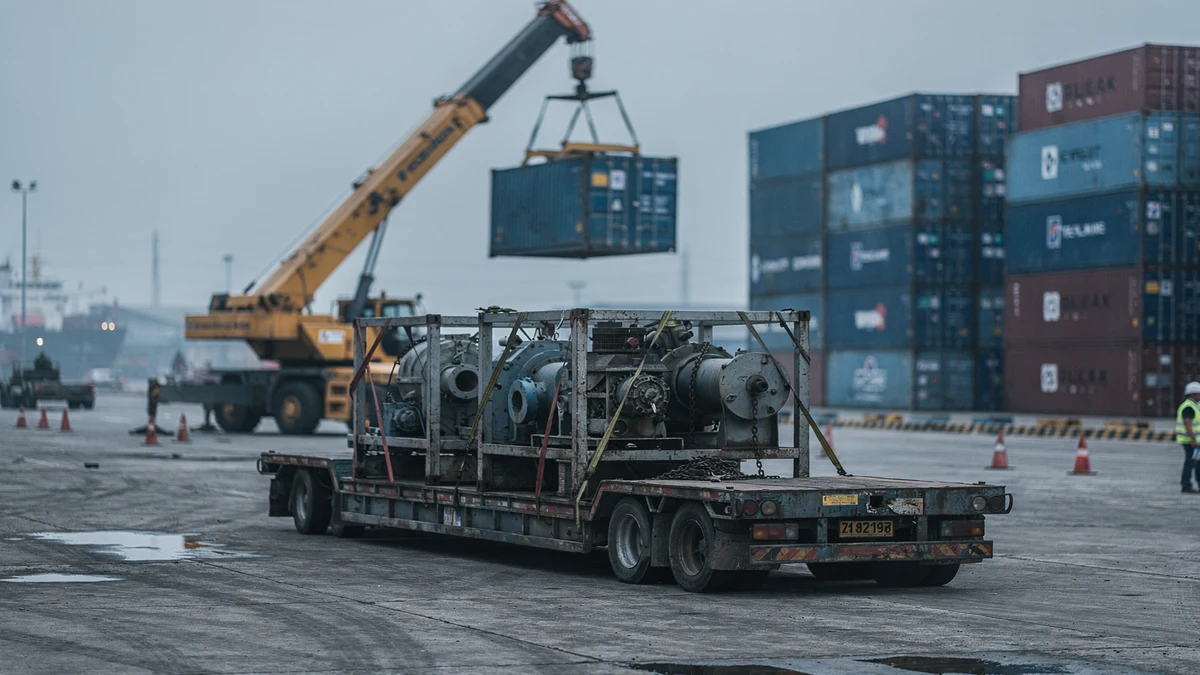
Moving heavy-lift, oversized and abnormal loads through Port Klang: equipment choice, OOG surcharges, JKR/JPJ permits and police escorts, lashing to the IMO CSS Code, customs and how to plan the timeline.

A customs broker clears your goods with Customs; a freight forwarder moves them. The difference under Malaysian law, why the broker must be licensed under Section 90 of the Customs Act 1967, and why most Port Klang importers want one company that does both.

Since 2016 no packed container can be loaded at Port Klang without a declared Verified Gross Mass. The Marine Department registration, the two weighing methods, the 10-hour cut-off, the +/-5% tolerance, and what a missed VGM really costs an exporter.

Which agency controls what, when meat/poultry/dairy need a MAQIS permit and DVS plus JAKIM approval, how FOSIM border inspection works under the Food Act 1983, mandatory labelling, SST, and how a Port Klang forwarder clears your food shipment.

Vietnam is one of Malaysia's largest ASEAN trading partners and a key China Plus One sourcing base. Here is what it really costs and takes to import from Ho Chi Minh or Haiphong to Port Klang, and how a valid Form D wipes out your import duty under ATIGA.

Since 1 January 2024, Malaysia charges a 10% Low-Value Goods (LVG) sales tax on imported online goods sold for RM500 or less. What LVG tax is, who must register via MyLVG, and how it differs from normal import duty and SST.

The three ways a shipping line releases your container at Port Klang, when to use each, and how a delayed bill of lading triggers demurrage.

Customs can reopen your import declarations for up to six years and recover under-paid duty. What triggers a post-clearance audit at JKDM, the records you must keep for seven years, and how to stay audit-proof.

If you paid import duty on goods that were later re-exported, the Customs Act 1967 lets you reclaim 90 to 100 percent of it. Here is who qualifies, the deadlines, and how to file.

From SST expansion and MyCIEDS digitisation to e-waste import bans, here's everything changing in Malaysian customs compliance this year.

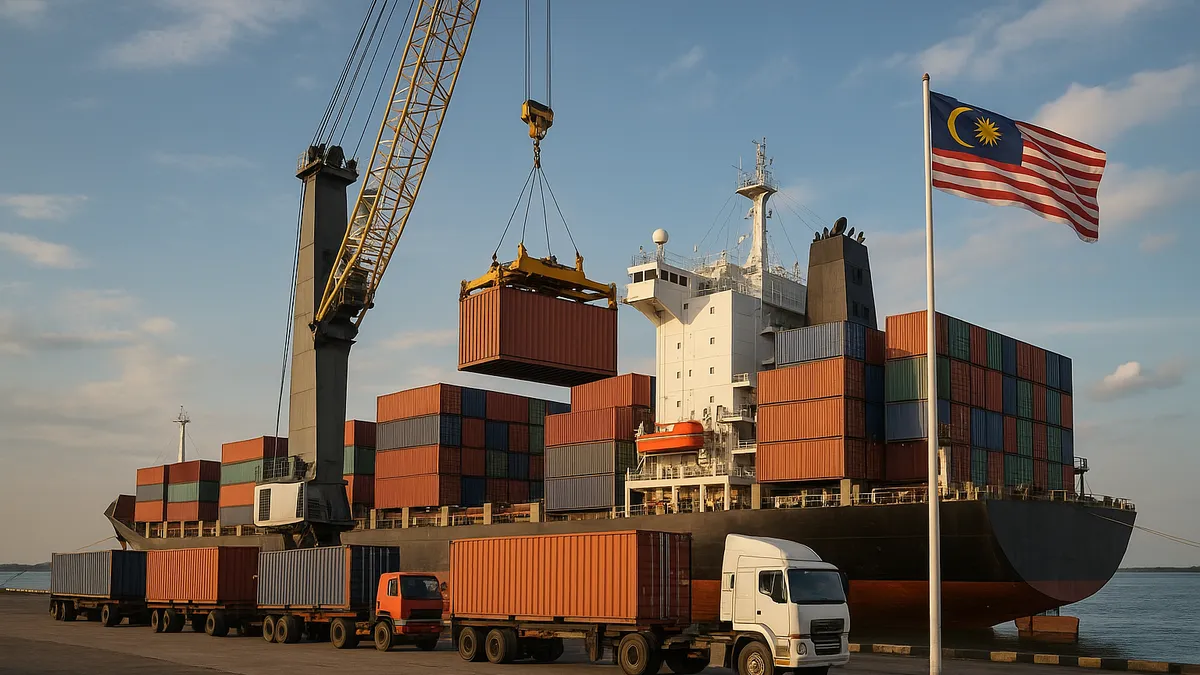
Navigate Malaysia's busiest port like a pro. Westport vs Northport, FTZ advantages, peak-season strategies, demurrage tactics.

Actionable strategies to reduce freight, customs, and warehousing spend — from SST exemptions to container consolidation.

The complete guide to clearing goods through Malaysian customs — documents, HS codes, duties, timelines, common mistakes.

How Trump's tariffs, the US-Malaysia trade deal, and Section 301 investigations affect Malaysian manufacturers.

How the 2026 Hormuz crisis affects Malaysian shipping: freight rate surges, route disruptions, Port Klang congestion.

How the China Plus One strategy is driving record FDI into Malaysia and what manufacturers need to know.

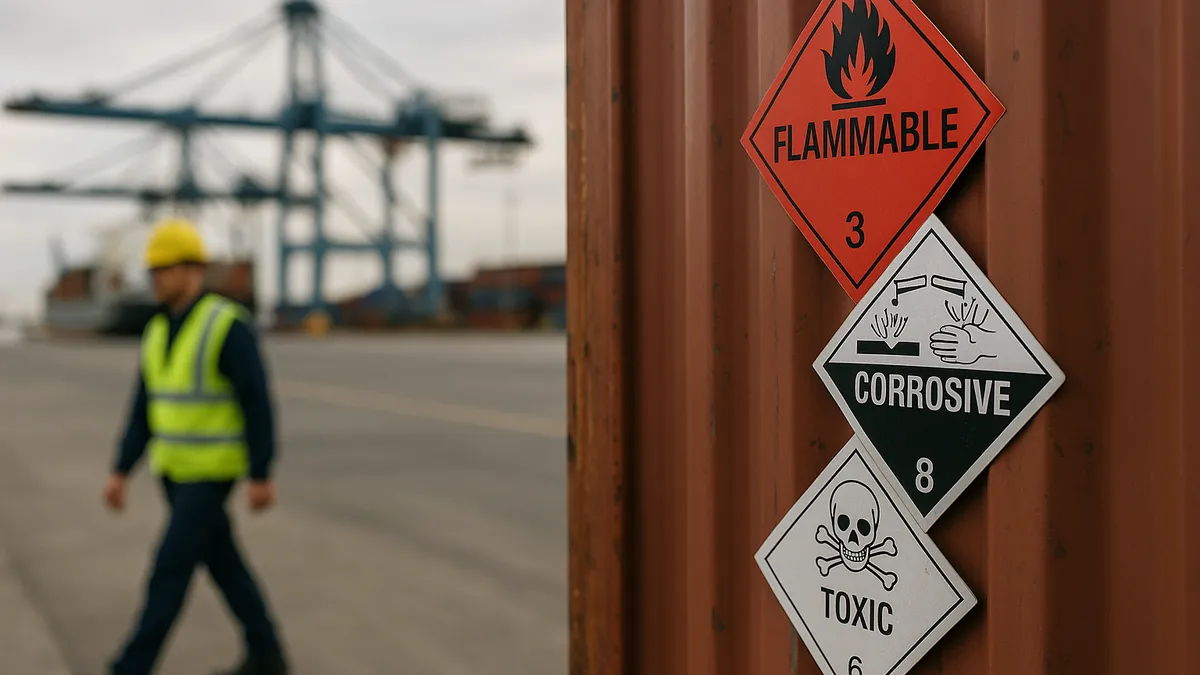
All 9 IMDG classes, Malaysian DG regulations, documentation requirements, and Port Klang procedures for hazardous cargo.

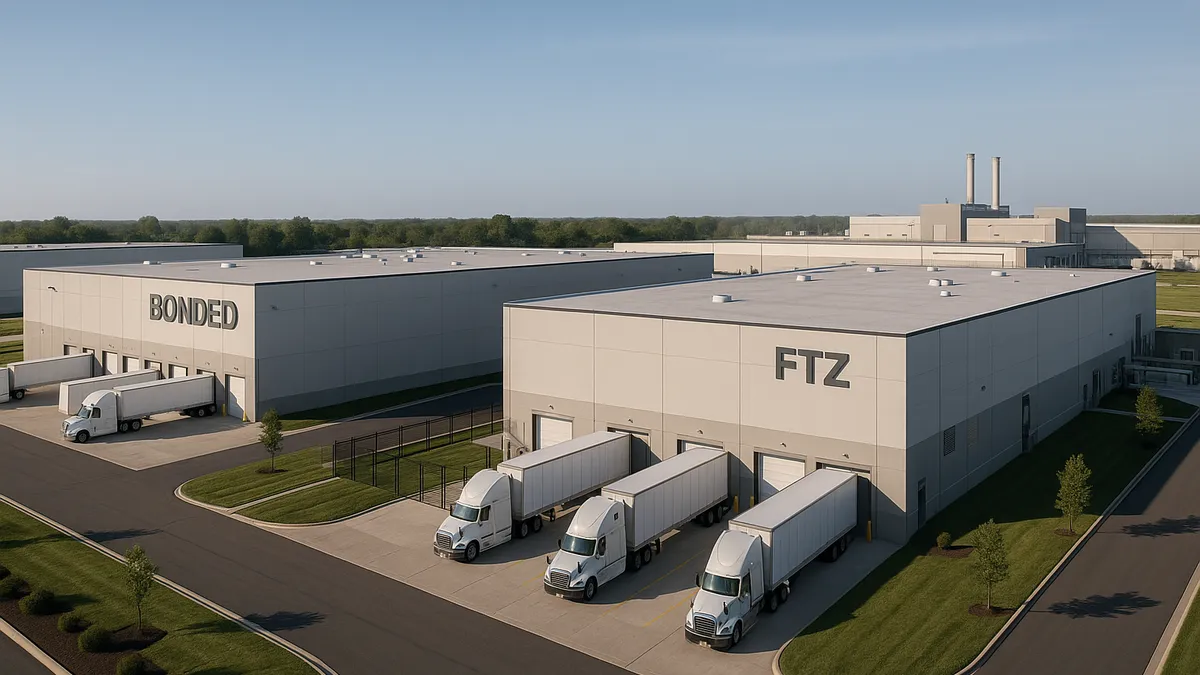
Free Trade Zone benefits, duty elimination, FTZ vs bonded warehouse comparison, and how to use PKFZ.

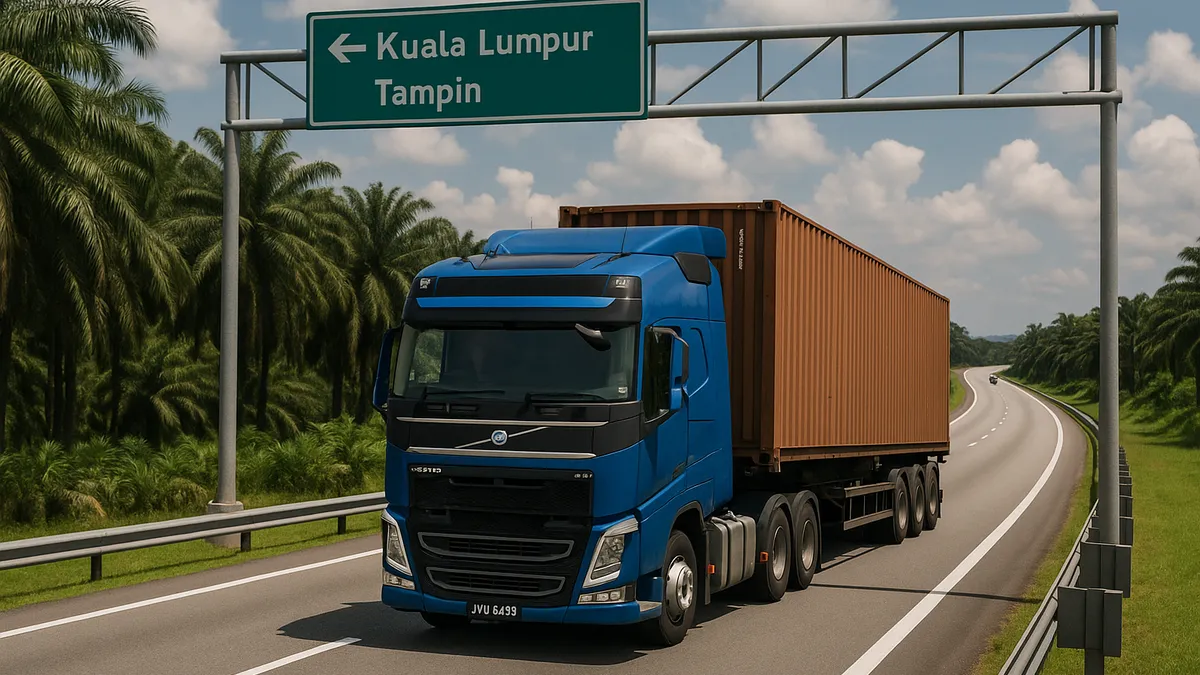
Haulage rates, Klang Valley routes, peak season tips, GPS tracking, and regulations for container transport.

Understand free days, rate structures, and practical strategies to avoid costly container charges at Westport and Northport.

Full container vs less-than-container load — real cost comparisons, break-even analysis, and when to use each mode.

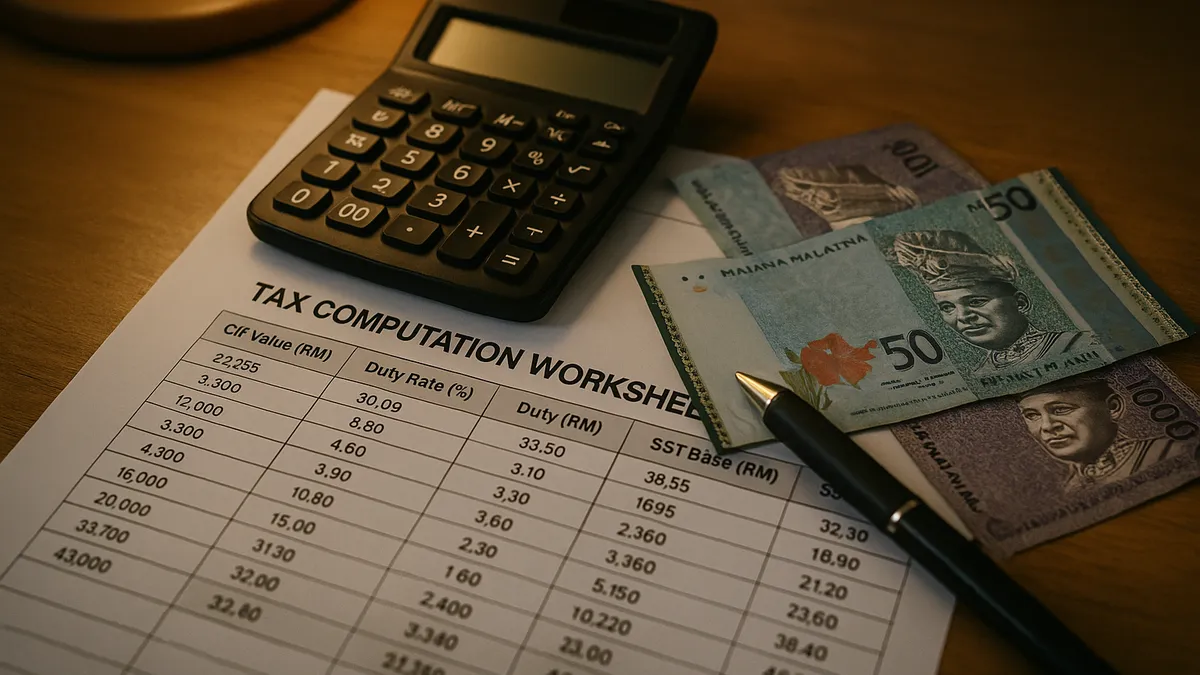
The formula, worked examples with real HS codes, Schedule C exemptions, and FTA preferential rates explained.

AHTN structure explained, JKDM HS Explorer walkthrough, real classification examples, and common mistakes to avoid.

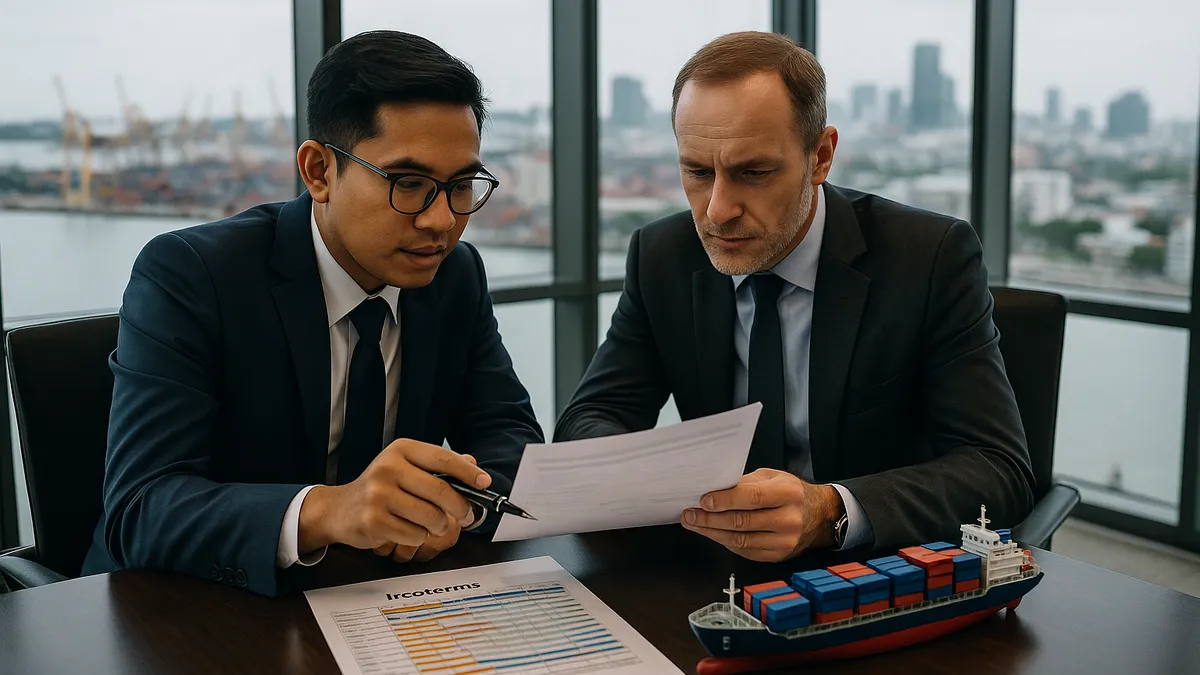
All 11 Incoterms 2020 explained with Malaysia-specific cost comparisons and practical advice for importers.

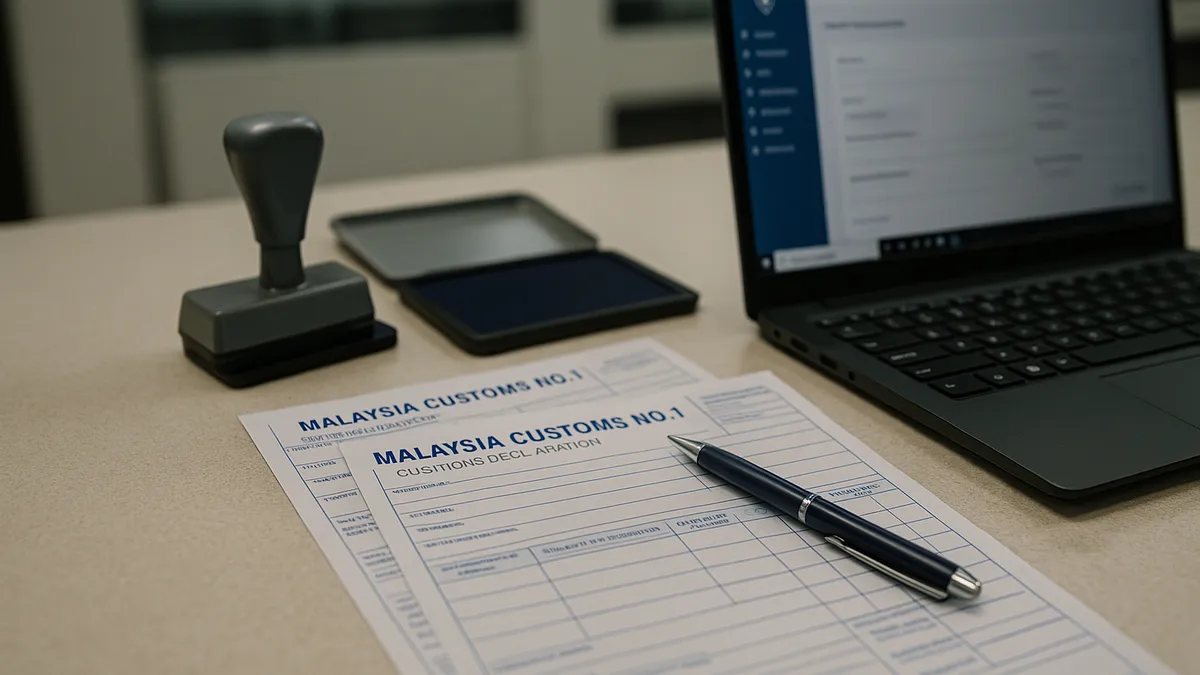
Every customs form explained clearly — when to use each, required fields, electronic submission, penalty avoidance.

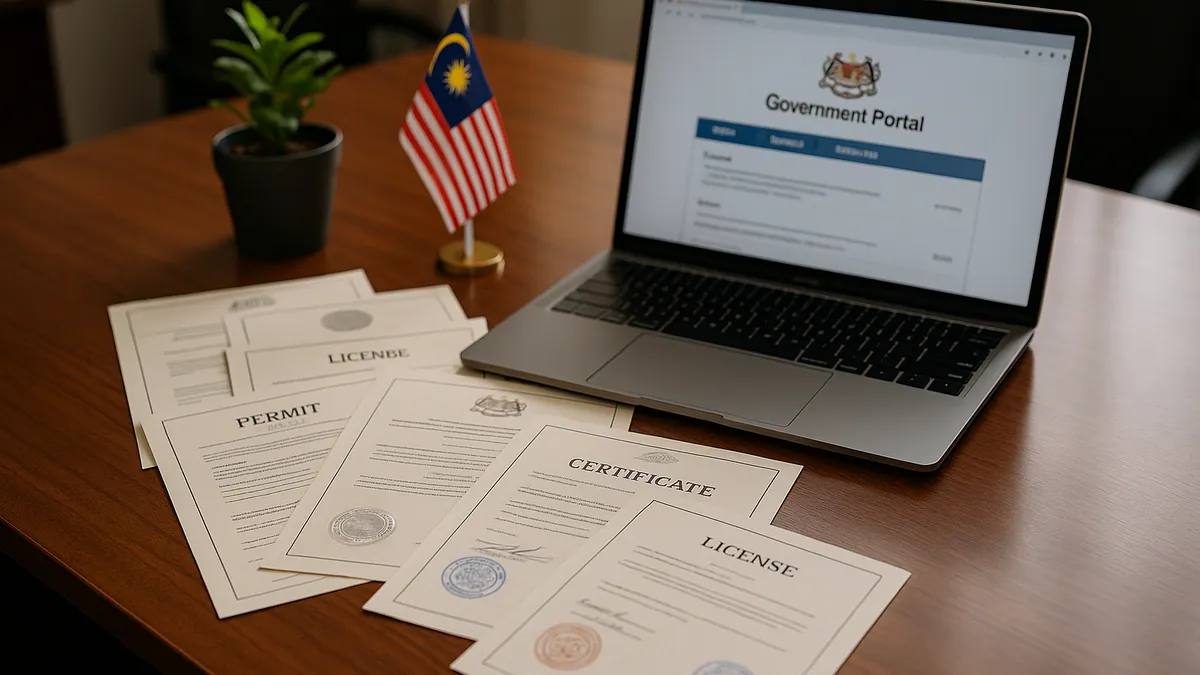
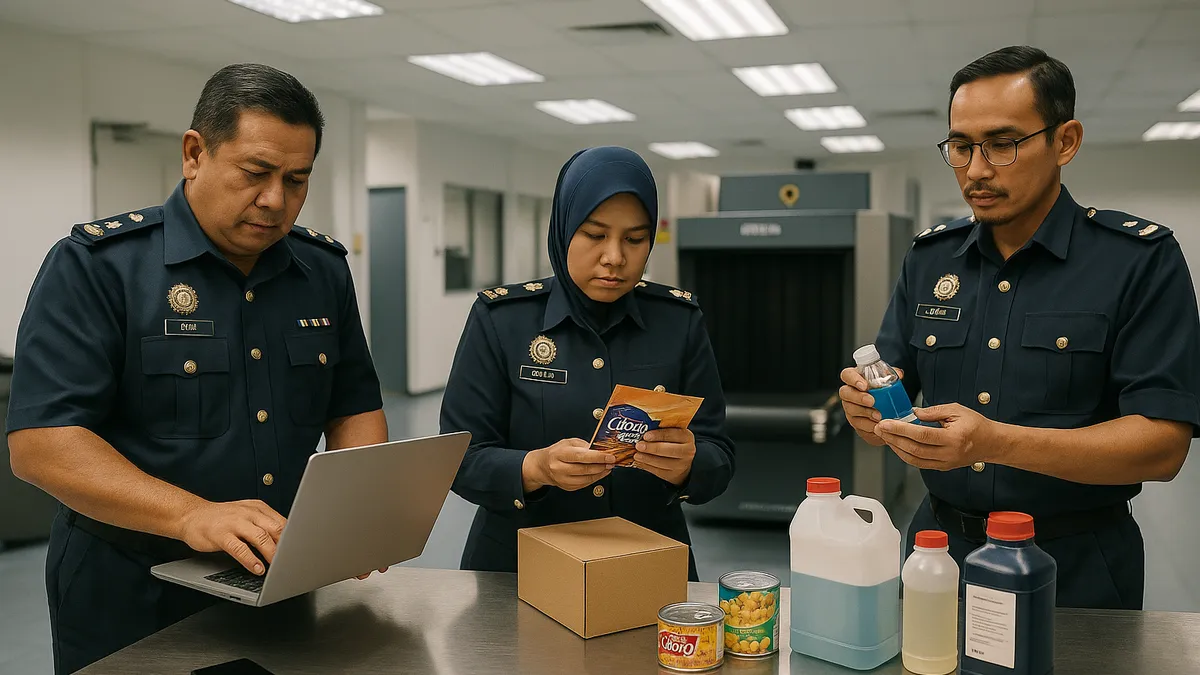
Which goods need permits, which agencies issue them, how to apply, and what happens if you import without one.

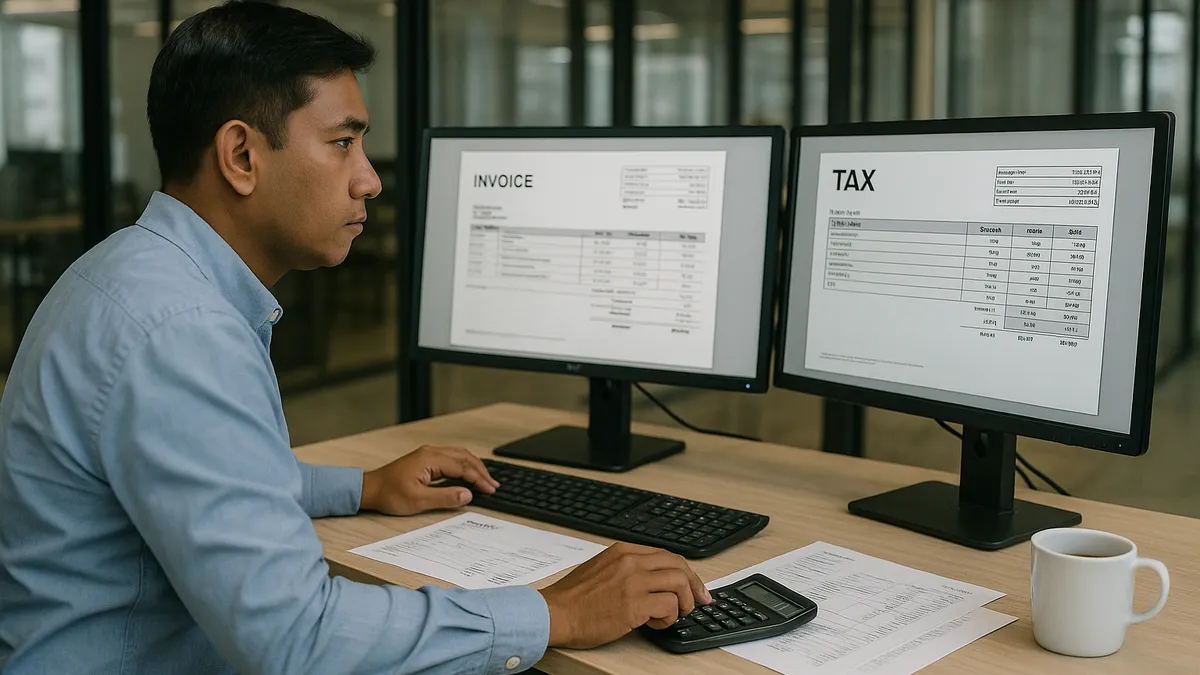
LHDN's MyInvois mandate, self-billed e-invoices for imports, compliance timeline, and penalties for non-compliance.

Carbon tax rates, CBAM product scope, IMO shipping levies, and what manufacturers should do to prepare.

How MyCIEDS and Malaysia's National Single Window digitise customs documentation, and what importers need to do differently.

Malaysia's 17 FTAs explained with real savings examples, CO requirements, and rules of origin guidance.

Authorized Economic Operator benefits, eligibility, application process, and Mutual Recognition Agreements.

12 criteria to evaluate, red flags to watch for, and questions to ask before hiring a forwarding agent.

Complete landed cost breakdown — freight, port charges, duties, haulage, insurance, hidden fees itemised.

Rate comparisons, transit times, break-even analysis, and when air makes sense despite higher cost.

Detailed comparison of Malaysia's three duty-suspension mechanisms with decision framework and cost analysis.

Freight rates, ACFTA/RCEP duty savings, transit times, and a complete landed cost example from Shenzhen.

Core services, step-by-step process, licensing requirements, and when your business needs a forwarding agent.

Banned vs restricted vs controlled goods, permit agencies, penalties, and recent 2025-2026 regulatory changes.

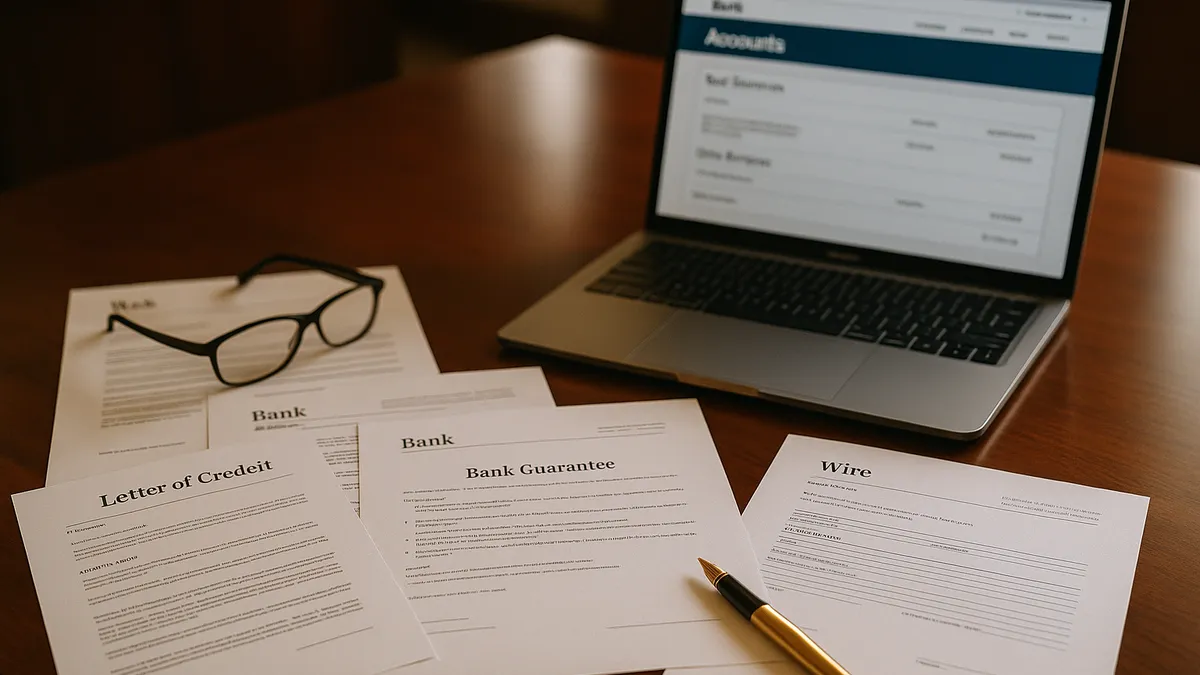
How each payment method works, Malaysian banking context, LC charges, and how payment terms affect your shipment.

K2 declarations, export permits, Certificates of Origin, VGM requirements, and common export mistakes.

Sales Tax rates, Schedule C exemptions, Service Tax on logistics, worked examples, common SST mistakes.

What the uniform 10% tariff means, how to diversify, and why Port Klang is positioned for the pivot.

Intra-Asia rates jumped 28% in a single week. What's driving the surge and 7 practical steps to protect your margins.

Port Lekki, Tanger Med, Cai Mep, and Mundra named as backup hubs. Which ones fit Malaysian SME cargo.

Most people credit globalisation to politics or the internet. The real driver was a 20-foot steel box invented in 1956.

From 11 May 2026, three regulators jointly enforce new container-haulage trailer rules at Port Klang.

3.75% p.a., 80% CGC-guaranteed, capped at RM750k. Three plays a logistics operator sees that a CFO blog won't.

Port Klang Q1 up 5.2%. Naphtha +66%. The IMF says container cost shocks hit shelves on a 12-month curve.

40GP rates jumped 22% at Port Klang. Air freight collapsed 44%. The per-kg math, weight bands, and a worked example.
Our team responds within the hour during business hours. Send us the scenario, we'll send back the playbook.
Chat with us on WhatsAppMalaysia recorded a record RM2.9 trillion in total external trade in 2024 — up 9.2% year-on-year — while Port Klang handled 14.64 million TEU and ranked the world’s 10th-busiest container port for the first time. DNE Forwarding moves and clears cargo through this gateway every day. For official duty rates, permits and procedures, we work from these primary sources: